December 12: The Celebration of Our Lady of Guadalupe
Mexico’s Most Beloved Fiesta
Before the Christmas season officially begins with the first Posada on December 16, Mexico unites to celebrate one of the most important dates in its cultural and spiritual calendar: December 12, Día de la Virgen de Guadalupe. On this day, millions across the country honour La Virgen Morena, whose image is venerated as the heart of Mexican faith and identity.
A Tradition Rooted in History
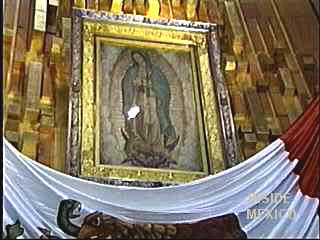
The celebration commemorates the final apparition of the Virgin Mary to Juan Diego on December 12, 1531, at Tepeyac Hill in what is now Mexico City. According to tradition, the Virgin asked that a temple be built in her honour. As proof of her message, she imprinted her image on Juan Diego’s tilma, creating the miraculous icon that today resides in the Basilica of Our Lady of Guadalupe.
Over centuries, devotion to Guadalupe has evolved into a defining symbol of Mexican identity, embracing Indigenous traditions, Christian faith, and a sense of unity that transcends region and social class. She is known as the Patroness of Mexico, Empress of the Americas, and lovingly, La Morenita.
The Great Pilgrimage
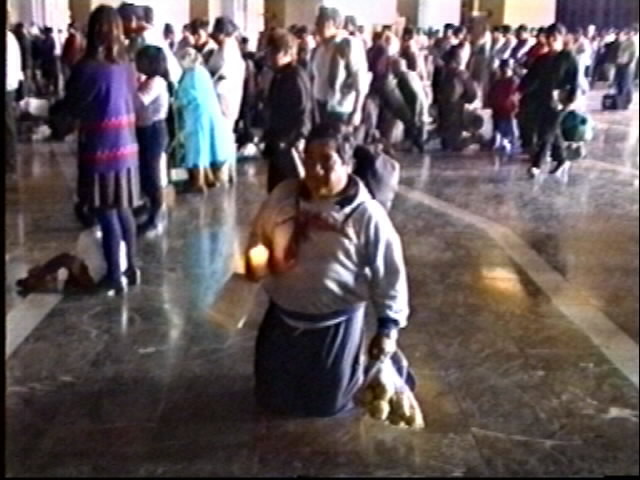
How Mexico celebrates Our Lady of Guadalupe.
Each year, in the days leading up to December 12, thousands of pilgrims begin arriving at the Basilica for what is considered the most impo
rtant pilgrimage of the year. Many travel long distances on foot
or by bicycle. Long caravans of cyclists—mainly men but increasingly multigenerational groups—ride kilometer after kilometer with a profound sense of devotion, often accompanied by support trucks that carry food, water, and resting spaces.
By the afternoon of December 11, the monumental atrium of more than 46,000 square meters fills with an ever-growing sea of pilgrims. Some arrive on their knees, fulfilling promises or express
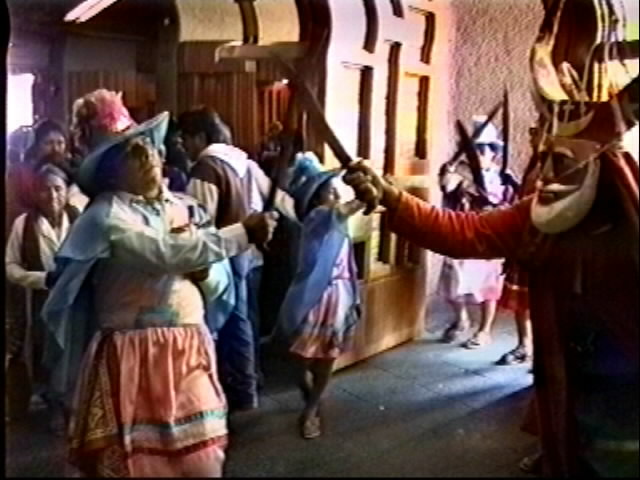
ing gratitude for the miracles they have received. Others bring flowers, candles, and family photos. Groups of danzantes and musicians, adorned in colourful regalia, perform traditional dances to honour the Virgin.
A Night of Faith and Unity
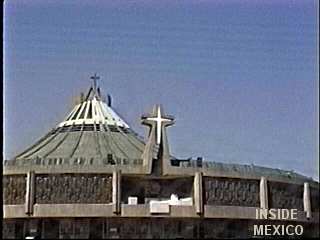
The Basilica of Guadalupe
As night falls, the atmosphere becomes electric yet deeply reverent. People of every age—families, elders, children, groups of friends, entire villages—gather together, physically and spiritually. The sound of drums, chants, and mañanitas fills the air.
Inside the Basilica, a special Mass is celebrated. It is during this illuminated, prayer-filled moment that many feel the profound warmth, solace, and spiritual richness that Guadalupe represents. Devotees say that la Virgen listens especially closely during this night.
Celebrations Across Mexico
Although the most important rituals take place at the Basilica, fiestas in honour of Our Lady of Guadalupe happen throughout the country. Wherever there is an altar to
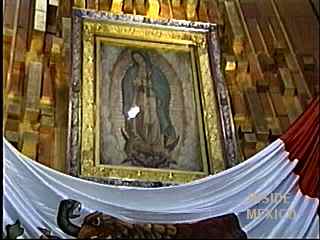
The Virgin—whether in a parish, a humble roadside chapel, a neighbourhood niche, or a family home—there will be flowers, music, Masses, and heartfelt offerings.
By the very early hours of December 12, Mexico awakens to the sound of firecrackers bursting in the s
ky. Brilliant lights illuminate plazas, churches, and small towns alike, marking the beginning of this grand fiesta dedicated to the Mother of all Mexicans.
Why This Day Matters
More than a religious observance, December 12 is a celebration of cultural identity, community, and love. For many, being a Guadalupano is synonymous with being Mexican. Her image has become a symbol of hope, protection, and unity—embraced not only in Mexico but also across Latin America and in Mexican communities worldwide.