
Bread in Mexico: History, Traditions, and the New “Bread War”
From La Guerra de los Pasteles to today’s “bread war”
Mexico has a knack for turning simple loaves into national drama. In the late 1830s, a spat over pastries—sparked by a French baker’s claim that his Mexico City shop had been looted—erupted into La Guerra de los Pasteles. The delicate swirl of cream-filled tarts and sugar-dusty conchas became the unlikely pretext for a naval blockade off Veracruz, cannon fire echoing against sunbaked walls, and a tense peace treaty signed under a riot of sails and flags. Even then, Mexico proved that its baked goods carry weight far beyond the ovens.
Fast forward to today, and the guns are silent but the rhetoric is fiery. A British baker’s offhand dismissal of the bolillo set social media ablaze: comment threads ignited with flour-dusty indignation as thousands of panaderos, food bloggers, and everyday panadería regulars marshaled behind their crusty heroes.
Screens filled with snapshots of golden-crusted telera, sugar-sprinkled orejas, and steaming baskets of pan dulce. The baker issued an apology, but by then the true story had risen: this is a country that won’t let you belittle its daily bread without stirring up a full-blown revolt about culture, class, and culinary pride.
To understand Mexico, start at the neighborhood panadería, where loaf and lore collide—and where a simple purchase of pan packs as much significance as a chapter of history.
How wheat arrived—and became woven into Mexican life
Long before the first golden kernels of wheat took root in New Spain, Mexico’s tables were ruled by maize. Corn emerged from ancestral fields as steaming tortillas, fragrant tamales, and silky atole, a testament to centuries of nixtamalization and communal tradition. Then the Spaniards brought sacks of wheat flour, and with it came church processions, Spanish cafés, colonial bakeries ringed with whitewashed walls. Wheat was a noble grain, reserved at first for altars and aristocratic feasts, but as towns swelled and trades flourished, local hands learned the magic of yeast and steam, transforming the foreign crop into something unmistakably Mexican.
The panadería: a sensory cathedral of sugar and yeast
Picture this: twilight settles over cobblestones, and someone in the neighborhood calls out, “Voy por el pan.” Almost instantly, feet shuffle toward the panadería, drawn by the glow of hanging bulbs and the aroma of fresh dough. Inside, shelves gleam with conchas that cradle pillowy folds of sweet buttercream, mantecadas puff into golden domes, and empanadas glisten with sticky fruit preserves. The air hums with warmth, the faint clatter of trays, and the low murmur of neighbors swapping morning gossip. Here, bread is more than sustenance; it’s a daily ritual, a shared heartbeat that rises with the scent of vanilla and toasted wheat.
Refranes that slice through life like a sharp knife
“Al pan, pan, y al vino, vino.”—Call things by their true names, as plainly as bread and wine.
“A falta de pan, tortillas.”—When bread fails, tortillas step in; practical wisdom born of necessity.
“Contigo, pan y cebolla.”—True devotion: love that endures on the simplest fare.
“Pan con pan, comida de tontos.”—Bread atop bread is a feast for fools; mix flavors, spark the imagination.
Pan dulce: sweet celebration in every bite
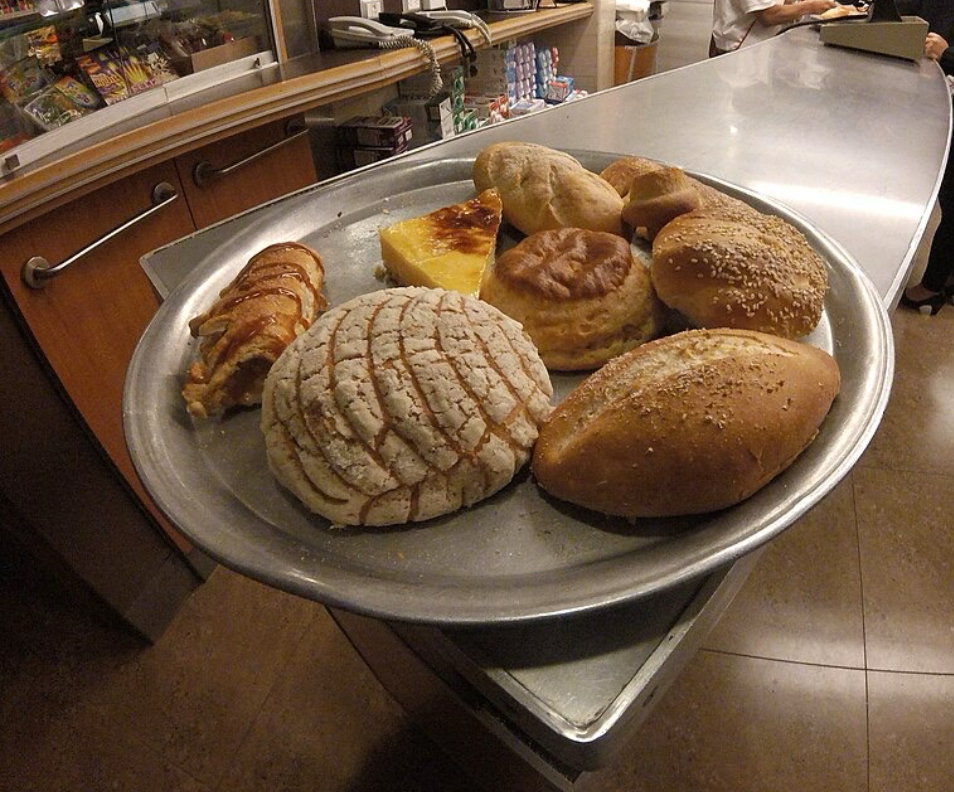
Pan dulce is Mexico’s edible joy. Conchas, striped like seashells in sugar seas; orejas, crisp as autumn leaves; and mantecadas, soft as a sunrise cloud. Centuries of bakers have coaxed these treats into being—each fold of dough, each sprinkle of sugar, a small defiance against hardship. Pan dulce isn’t just dessert; it’s a comforting friend you can afford every morning, a celebration stitched into everyday life.
Bolillo and telera: the workhorses of the table
Look past the showpieces and you’ll find the true backbone of Mexican bread culture: the bolillo. Its crust crackles when you break it, revealing a soft, hot crumb that soaks up salsa, cushions a slice of queso, or scoops the last beans from the bowl. The telera stands a little plumper, its twin slashes on top guiding your bite as you load it with carnitas or refried beans. These rolls aren’t trying to dazzle; they exist to serve—breakfast, lunch, emergency snack, conversation starter.
Bread that keeps time
In Mexico, the calendar reveals itself not on pages but on bakery windows. As Día de Muertos approaches, pan de muerto emerges, its pale dough scented with orange blossom, topped with wistful “bones” of pastry. Come Epiphany, a sweet, jeweled ring of rosca de Reyes crowns every panadería, hiding a tiny figurine in its tender folds. Regional souvenirs—quesadillas saladas in Veracruz, tortas de maíz in Oaxaca—arrive with local ceremonies, binding community and memory through simple ingredients. These seasonal breads aren’t side dishes; they are living stories, edible landmarks in the year’s journey.
What is Mexican bread culture?
It’s a chorus of ovens humming at dawn. It’s the friendly tug-of-war over the last concha. It’s a bolillo cradling your commuting sandwich, pan dulce brightening a grey morning, and a rosca turning a cold January day into a moment of wonder. It’s the fierce pride that drove a century-old pastry war and the digital uproar over a single dismissive comment. In Mexico, bread is never just bread. It’s history, identity, ritual, and—most of all—home.
