
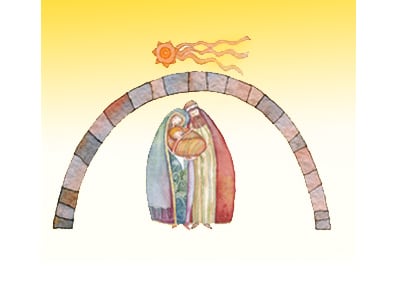
Traditional Posada Song Lyrics
Doors open and the party begins!
Spanish:
“¡Dale, dale, dale,
no pierdas el tino,
porque si lo pierdes,
pierdes el camino,
¡Una, dos, tres!
Ya le diste una,
ya le diste dos,
ya le diste tres,
y tu tiempo se acabó,
¡Una, dos, tres!”
English:
“Strike it, strike it, strike it,
don’t lose your aim,
’cause if you lose it,
you won’t find your way!
One, two, three!
You’ve hit it once,
you’ve hit it twice,
you’ve hit it thrice,
and your time is up –
One, two, three!”
Afterward, we all enjoy delicious traditional Christmas foods: tamales, buñuelos – sweet fritters – churros, and chocolate caliente – hot chocolate.
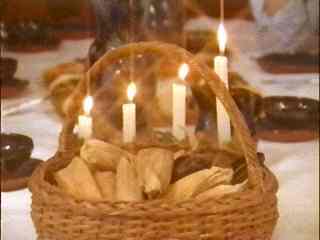
Tamales
During the Christmas season in Mexico there are also Pastorelas, theatrical plays that depict the shepherds on their way to honor Baby Jesus. They must follow the star in the East, but along the way they face many obstacles created by devils who try to stop them. The pastorelas are comedies and showcase a very traditional sense of humor. Sometimes the characters even tell political jokes, which the audience obviously enjoys!
Although the custom of putting up a Christmas tree has become very popular, the truly Mexican tradition is to set up a nativity scene.
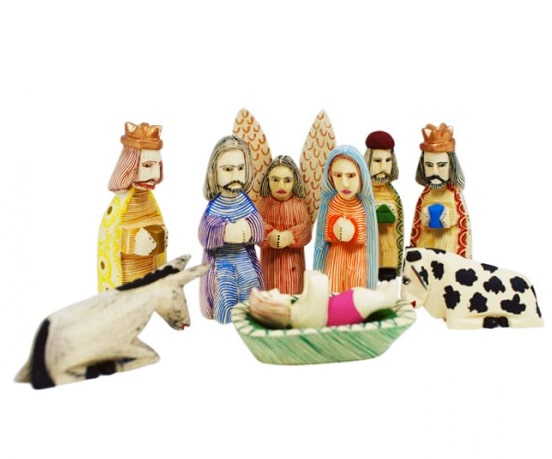
Wood Nacimiento from Oaxaca
These crèches are usually set up on December 16, but the figure of Baby Jesus is not placed in the manger until the night of December 24. The Three Kings are added on January 5.
Christmas Eve, or Noche Buena as it is called in Mexico, is celebrated on December 24. It is an essential family day that begins with the last posada and ends with a delicious, sumptuous dinner. At midnight, special masses are held called Misa de Gallo. After dinner, adults exchange presents.
On December 25, children wake up early to find the gifts they asked Santa Claus for under the tree.
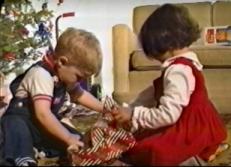
Opening Gifts
This is a relatively new addition (some 50 years old) to Christmas in Mexico. Before this, gifts were only exchanged on January 6, Día de los Reyes Magos.
Los Reyes Magos
All Mexican children anxiously wait for January 5, because this is when the Three Kings, Los Reyes Magos, arrive with gifts for them. A few days before, children write letters asking the Kings for the toys they want the most.
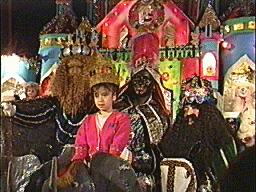
Accompanied by their families, they go to the town’s main plaza or zócalo to send their letters, tied to multicolored balloons that float up into the sky, carrying their dreams with them.
