
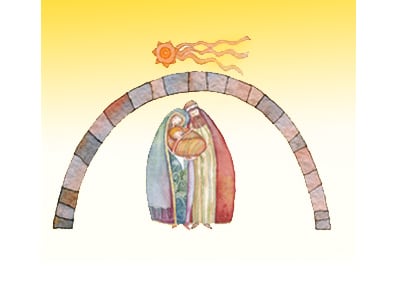
If you wonder how Christmas is celebrated in Mexico, the answer is: with color, music, and deep-rooted traditions. Our festive season is filled with piñatas, pastorelas, posadas, and wonderful food that bring families and communities together.
We have just finished the Día de Muertos festivities, and now the market where I usually shop – the same market where the famous painter Frida Kahlo also used to buy her flowers and food – is completely transformed.
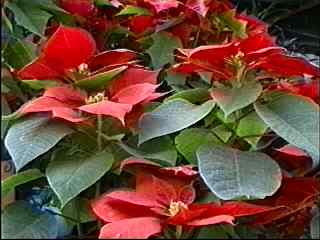
Noche Buena Flowers
A few days ago the market was filled with cempasúchil flowers, sugar skulls, papel picado, and pan de muerto or Day of the Dead bread. Today it is getting ready for the Christmas season.
Everywhere I turn there are piñatas of all shapes, sizes, and colors; candles for the posadas; Noche Buena flowers – better known as poinsettias – and figurines made of wood, ceramic, or paste for the nativity scene.
Stores and street vendors are also selling all kinds of beautiful ornaments that cheerfully announce the arrival of one of the happiest times of the year.
Very shortly after the fiesta for Our Lady of Guadalupe ends, the preparations for the Christmas season begin. The first of nine posadas is held on December 16. These celebrations represent Joseph and Mary’s arduous journey to Bethlehem, and there are nine posadas, from December 16 to 24, symbolizing the nine months of Mary’s pregnancy.
Since we truly enjoy fiestas and like to start celebrating as soon as possible, we also have what we call pre-posadas, which are – as you may imagine – posadas held before December 16!
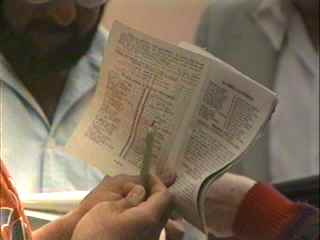
Pastorela Song
There are many Mexican Christmas traditions that we happily follow.
The whole community organizes the posadas. In advance they decide which houses will “refuse” to give shelter to Mary and Joseph, and which home will finally receive them and host the party and the breaking of the piñata. They also decide how many posadas they will hold. Some neighborhoods have all nine; others celebrate only one or two during the season.
The posada begins with a procession of pilgrims. At the front is Joseph, holding Mary’s hand as she rides on a donkey. Sometimes, instead of having neighbors dress up as Mary and Joseph and ride a burro, a couple of neighbors carry a small nativity scene.
Following them are all the neighbors, carrying candles and singing traditional Christmas songs to ask for posada, a place where they can stay. At the end of the walk through the streets of the neighborhood, they reach their final destination. The doors open and… (Next Page)
